
Cottage Gardens: In Your Face, Minecraft Landscaper
- Nate Venarske

- Jul 7, 2020
- 3 min read
There are as many styles of gardens as there are gardeners, occupying a spectrum from meticulously sheared boxwood hedges to a warzone of total naturalization. Both have pros and cons. Naturescapes can be show-stopping in bloom, but can make a yard or business stand out like that emo, pink-and-green-haired girl during middle school picture day. Traditional hedge-and-conifer landscaping looks like it came out of Minecraft, but that isn’t much of a problem for people who are into Minecraft. Of course, many amalgamative gardens dot Mississippi suburbia. (I suspect that where one falls on the scale of wildflower to lawn is dictated by Trait Openness, the same psychometric factor that predicts political affiliation, but that’s a topic for another blog post.)

Smack-dab in the middle of the spectrum is the cottage garden. It follows a set of aesthetic parameters designed to please the human eye—unlike naturescapes, which focus on mirroring the ecosystem, regardless of the cries of professional gardeners who feel an epileptic compulsion to weed-eat it.
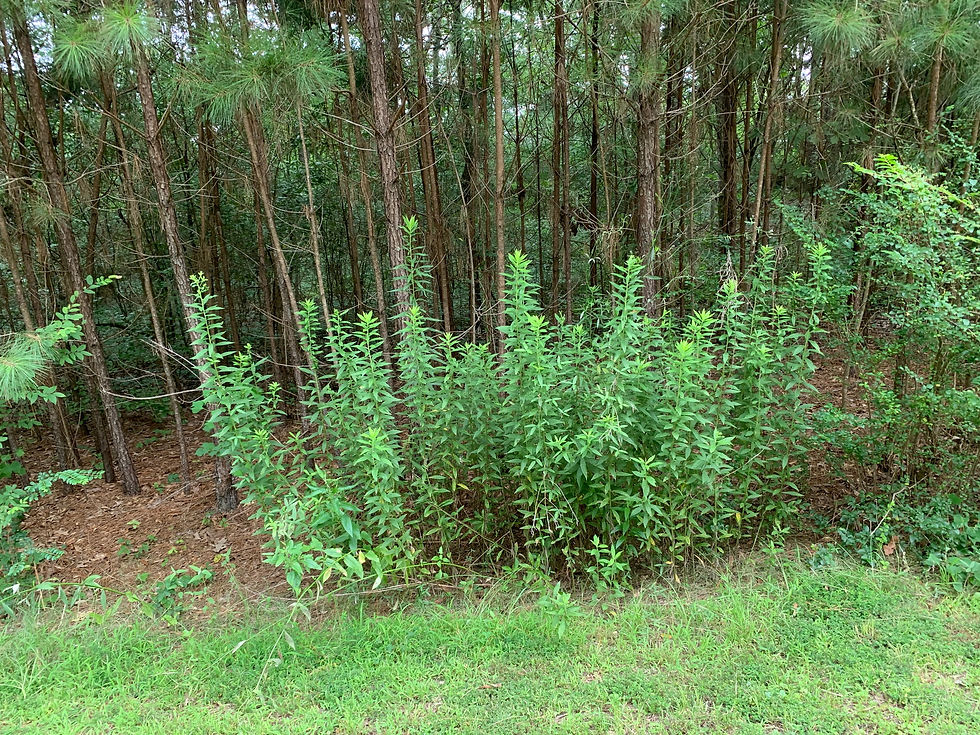
Similarly to the naturalized landscape, the rules of cottage gardening are environmentally beneficial: Pack as many profusely flowering plants into as close a space as possible.
Of course, cottage gardening is no substitute for habitat restoration, any more than it could please the Minecraft gardener. But it’s a fantastic medium that’s versatile enough to boost the ecosystem while maximizing a homeowner’s aesthetic experience.
Cottage gardens, like lawns, originated in England. The term “cottage garden” is often used as a wastebasket, a nomenclatural shrug directed at gardens that don’t fold into any other niche. But that is beginning to change.
Many now recognize the cottage garden as a distinct style with specific guidelines—odd, juxtaposed with the style’s tendency toward overgrowth. I’ve formulated a few general rules of (green) thumb to help those who are interested in planting them.
First, forget what you’ve heard about clean lines, trimmed hedges, and golfcourse-green sod. Beauty lies in profusion. To the cottage gardener, lawn is but a medium for walking through the flowers, and ought to be replaced with stone pathways with peeping sedum or tickling thyme.
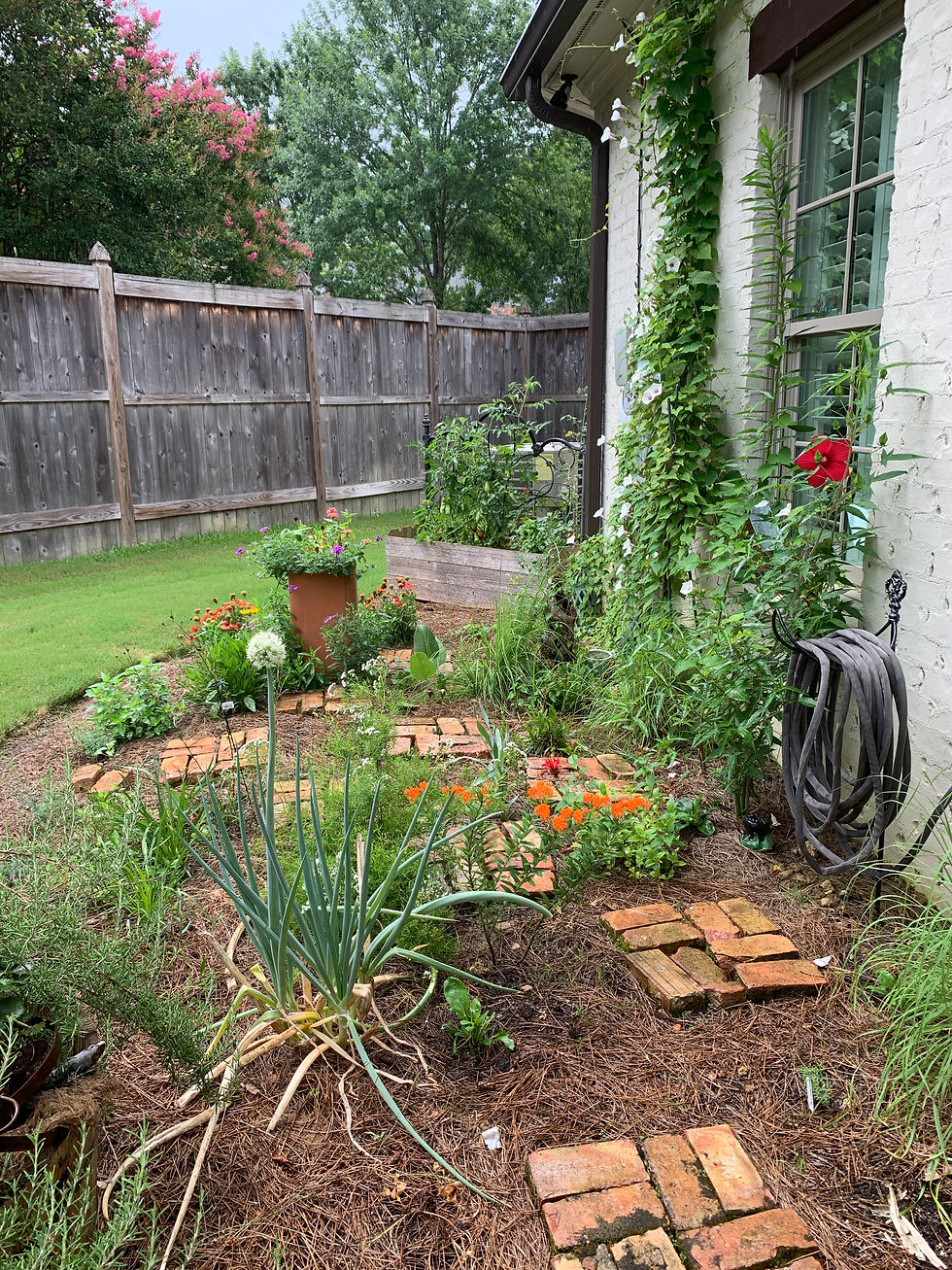
Cottage gardens also emphasize individuality. Hypothetically, cottage gardens originated as cottage residents collected wildflowers and stowed them around their yards. Cottage gardeners aren’t trying to fit in. Many cottage gardens focus on cut flowers and edible delights to fit their personal preferences—if you bought the yard, you might as well enjoy it. Pursue cottage gardening if you like color and covet any excuse to piddle outdoors.
Even though cottage gardens likely originated as native plant gardens, they’ve evolved on the trip across the pond. In America, cottage gardens burst at the seams with heirloom roses, hollyhocks, and other recognizable, cultivated classics. More and more, though, native gardeners are appropriating cottage gardening and reviving the tradition of incorporating local plants. As a general design principle, I suggest including a dab of recognizable nonnative plants such as roses and zinnias to accentuate the cottage gardeny aura. This also gives visitors a few plants to recognize—from experience, a garden where you know none of the plants can feel alienating.
Speaking of visitors, you want a cottage garden to be inviting. Include benches for reading Robert Frost and artsy items that fit your tastes. Part of the charm of cottage gardens is that, unlike sterile lawns that scream, “Keep off,” they invite the viewer to interact, whether by picking a blueberry or extending a finger as a perch for a monarch butterfly.
Unlike traditional landscaping, which demands formidable rows of identical plants, cottage gardening requires a massive diversity of plant selections. Firework-invoking Joe Pie weed and gigantean sunflowers tower over Baptisia bristling with rattlebox seedpods. Pink explosions of coneflower emerge from fuzzy muhly grass. Climbing roses sprawl through cast-iron arches, violets and sedum blanket the ground, and Turk’s cap lilies loll lazily in a lagoon of ferns, all within six feet of each other. Conservatively, you may have fifty plant species in a four-hundred square foot area, providing a continuous source of cut flowers from March until September. The birds and bugs will love you for it.
The best part about cottage gardening might just be the unexpected poppings up of annual and biennial wildflowers, the swallowtail caterpillars that finally found your Pipevine, the emergence of a fiddlehead in your lawn in early spring. Rather than a garden characterized by immutability, I encourage you to consider the timeless charm and delightful surprises offered by a vibrant cottage garden.
NOV


Comments